How Probate Can Sink the Sale of Your Dental Practice
Selling a dental practice is already a complex process involving valuation, negotiations, regulatory compliance, and careful transition planning. When probate enters the picture, however, that complexity can multiply quickly, often in ways that reduce the value of the practice, delay the sale, and create unnecessary stress for heirs and buyers alike.
What is Probate?
Probate is the legal process through which a deceased person’s assets are distributed under court supervision. If a dentist passes away without a clear succession plan or trust structure in place, their practice typically becomes part of the probate estate. That means the sale of the practice is no longer a private business transaction. It becomes subject to court timelines, approvals, and potential disputes.
Delays That Kill Momentum
Dental practice sales are highly time-sensitive. Patients need continuity of care, staff need stability, and buyers want a smooth transition. Probate can delay the sale for months or even years because the court must appoint an executor or administrator, assets must be formally inventoried and appraised, and court approval may be required before any sale proceeds. During this time, the practice may lose patients, revenue, and goodwill—key drivers of its overall value.
Decline in Practice Value
A dental practice is not a static asset. Its value depends heavily on active patient relationships, consistent cash flow, and the reputation and presence of the dentist. If the owner is no longer practicing and probate delays a sale, patients may drift away, production may drop, and referral networks can weaken. This erosion can significantly reduce the final sale price.
Loss of Confidentiality
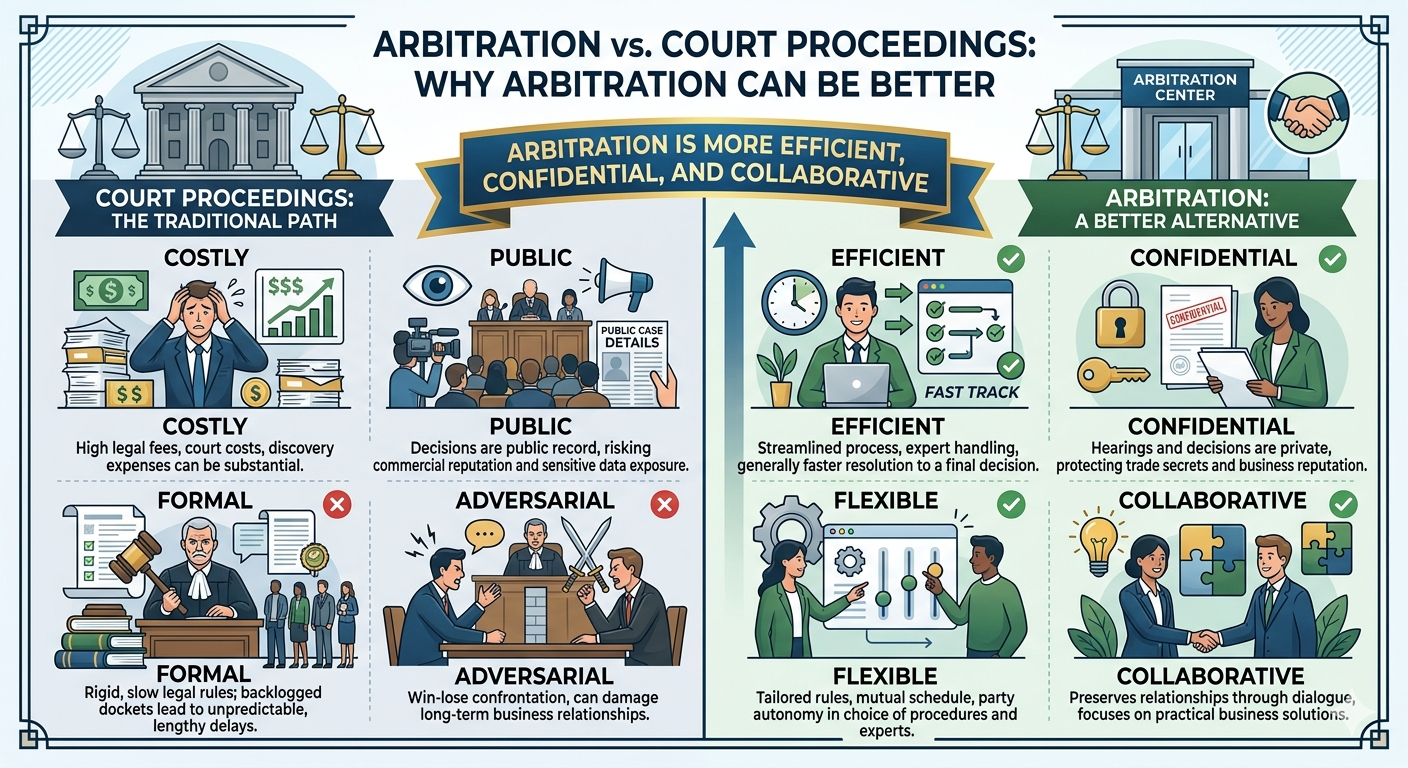
Practice sales are typically handled with discretion. Probate, however, is a public process. Financial details, valuations, and even the intent to sell the practice may become part of the public record. This loss of confidentiality can alarm patients and staff, invite competitors to target your patient base, and complicate negotiations with potential buyers.
Increased Legal and Administrative Costs
Probate isn’t just slow, it’s expensive. Legal fees, court costs, accounting expenses, and administrative overhead can add up quickly. These costs are typically paid out of the estate, effectively reducing the net proceeds from the eventual sale of the practice.
Risk of Disputes Among Heirs
If multiple heirs are involved, disagreements can arise over the timing of the sale, the acceptable sale price, and even whether to sell the practice at all. Such disputes can stall decision-making and further delay the transaction, sometimes leading to court intervention.
Limited Buyer Confidence
Buyers prefer certainty. When a practice is tied up in probate, it introduces risk: unclear authority to finalize the sale, potential for legal challenges, and unpredictable timelines to name a few. As a result, some buyers may walk away entirely, while others may lower their offers to compensate for the added risk.
How to Avoid These Pitfalls
The good news is that these issues are largely preventable with proper planning. Dentists can and should take the following steps:
- Establish a revocable living trust to bypass probate;
- Create a clear succession or transition plan;
- Designate a trusted individual to manage or sell the practice; and
- Work with legal and financial advisors familiar with healthcare practices.
Your dental practice is likely one of your most valuable assets, not just financially, but as a legacy of your professional life. Allowing it to become entangled in probate can undermine everything you’ve built. By planning ahead, you can ensure that if the unexpected happens, your practice is sold efficiently, your patients are cared for, and your family receives the full value of your life’s work.
Questions or comments? Please contact us at (646) 213-9044 or info@andrieuxlaw.com.